Solo Travel Is Safer Than You've Been Led to Believe
The anxiety that accompanies the idea of solo travel — particularly for first-timers — is rarely proportional to the actual risk. Most destinations that solo travelers visit are statistically safer than the American cities most travelers call home. The perceived danger of solo travel is amplified by media coverage that selectively highlights negative incidents and largely ignores the millions of uneventful, deeply rewarding solo journeys taken every year.
That said, solo travel does require a different kind of awareness and preparation than group travel. When things go wrong — a missed connection, a theft, an illness — there is no built-in support network. The solo traveler who prepares well handles these situations calmly and moves on; the one who doesn't can find a minor inconvenience spiraling into a serious problem.
Before You Leave: Preparation That Pays Dividends
- Purchase travel insurance with emergency medical evacuation coverage — non-negotiable for any international trip
- Register with your country's embassy or consulate in your destination (US travelers: STEP program)
- Photograph all important documents and email copies to yourself and a trusted contact
- Share your detailed itinerary with someone at home who will check in regularly
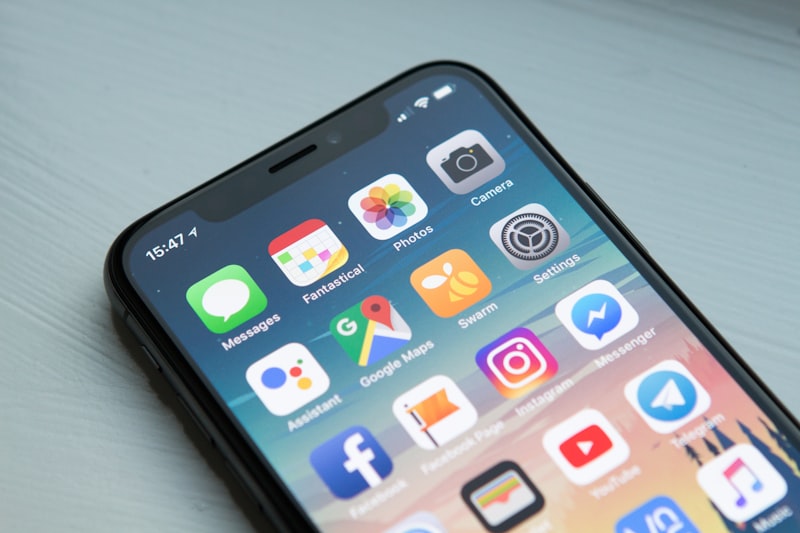
- Download offline maps (Maps.me or Google Maps offline) before your flight lands
- Research local emergency numbers, nearby hospitals, and your accommodation address in the local script
On-the-Ground Awareness Habits
The most consistent advice from experienced solo travelers is to avoid appearing lost or distracted in public spaces, particularly in transportation hubs. Looking at your phone while navigating an unfamiliar train station signals vulnerability. Study your route before stepping off the train, keep your bag in front of you in crowds, and if you need to check maps, step into a cafe or shop to do so.
Trust your instincts without apology. If a situation feels off — a person is too insistent, a neighborhood shifts in character, an offer seems too convenient — act on that feeling. Experienced travelers describe a specific kind of practiced situational awareness that doesn't feel paranoid but does feel calibrated. Instincts trained over multiple trips become a reliable safety system.
Technology Tools That Matter
A local SIM card or an eSIM (Airalo is the most widely recommended eSIM marketplace) providing data connectivity is arguably the most important safety tool a solo traveler carries. Being able to call for help, share your location, or navigate in real time requires data access. Do not rely solely on Wi-Fi, which is absent precisely when you most need connectivity.
Life360 or a shared location feature with a trusted contact provides passive check-in capability — someone always knows where you are even if you forget to send a message. Several experienced solo travelers recommend setting a standing check-in time (same hour each day) so an absence is immediately noticeable.
Accommodation Choices and Safety
Well-reviewed hostels are frequently safer than budget hotels because they are purpose-built for solo travelers with social common areas, secure lockers, and staff accustomed to helping travelers navigate local issues. Reading recent reviews specifically for mentions of neighborhood safety, lighting, and reception responsiveness provides meaningful signal. Avoid booking accommodations that have no reviews, extremely recent listings, or an unusual number of short, generic reviews.
Final Verdict
Solo travel safety is less about fearfulness and more about preparation, awareness, and reliable habits. The travelers who consistently navigate the world solo without incident are not lucky — they are prepared. Invest in travel insurance, share your itinerary, maintain data connectivity, and trust your calibrated instincts. The freedom and growth that solo travel produces is worth every minute of the preparation it requires.