Why Gear Matters More in Marathon Training
Recreational running and marathon training are different activities with different gear requirements. A weekend 5K in worn shoes and cotton shorts causes minor discomfort. Cumulative training runs across 16 to 20 weeks — potentially 500 to 700 miles for a serious program — amplify every equipment deficiency. Blisters become injuries. Chafing becomes open wounds. Worn-out midsoles become the cause of stress fractures and IT band syndrome. Equipment decisions carry actual health consequences at marathon training volumes.
This is not a license to spend extravagantly on every possible running product. The running industry aggressively markets gadgets and accessories of marginal benefit. The focus should be on the categories that affect injury prevention and daily running comfort, and within those categories, buying quality rather than fashion.
The Non-Negotiable Gear Categories
- Running shoes matched to your gait — not the most expensive model, but professionally fitted with attention to your pronation pattern and foot shape
- Technical socks — merino wool or synthetic moisture-wicking, never cotton, with seamless toe construction
- GPS running watch or phone mount — accurate distance and pace tracking is essential for following training plans correctly
- Running-specific shorts or tights — built-in liner or compression shorts prevent the inner-thigh chafing that sidelines undertrained marathon runners
- Body Glide or equivalent anti-chafe balm — non-negotiable for any run over 90 minutes
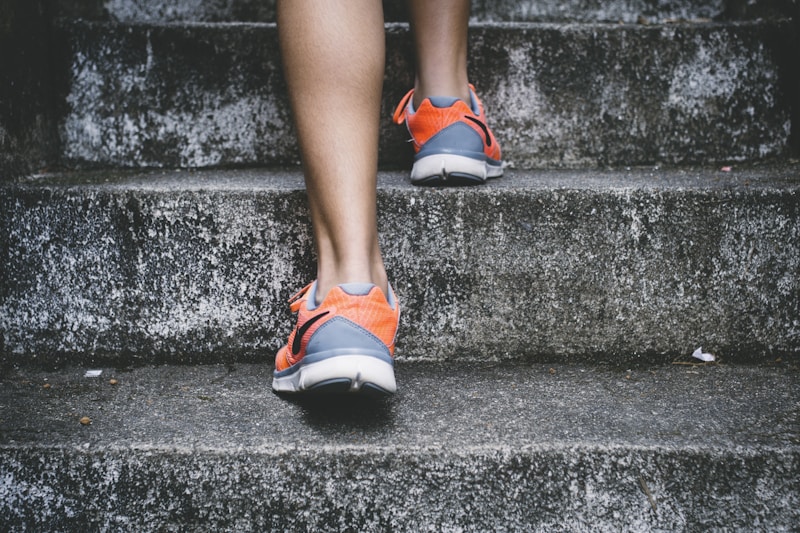
Shoes are the most consequential gear decision and deserve the most investment and care. Get fitted at a running specialty store, not a general athletic retailer — staff at running stores are trained to observe your gait and recommend appropriate support levels. Replace shoes every 300 to 500 miles regardless of how they look; midsole cushioning degrades invisibly and continuing to run on dead shoes is a primary cause of marathon training injuries.
Recommended Shoes for Marathon Training
For neutral runners, the Brooks Ghost 16, ASICS Gel-Nimbus 26, and New Balance Fresh Foam 1080v14 represent reliable, well-cushioned options that handle high training mileage. Stability shoe options include the Brooks Adrenaline GTS 24 and ASICS Gel-Kayano 31 for mild to moderate overpronation. Carbon-plated race shoes like the Nike Vaporfly 3 or ASICS Metaspeed Sky+ are race-day tools that should not be used for training — their aggressive geometry accelerates fatigue over training distances.
Most experienced marathoners run the majority of training mileage in workhorse trainers and reserve carbon-plated racing shoes for race day and a small number of speed sessions. Using your racing shoe for every run depletes its benefits quickly and dramatically shortens its lifespan — a $250 carbon shoe used daily might last 200 miles, while a $150 daily trainer lasts 400 to 500 miles.
Tracking Technology
A GPS watch is the training tool most runners find transformative for marathon preparation. Seeing real-time pace allows you to run easy days actually easy — one of the most common and damaging training mistakes is running recovery runs too fast, accumulating fatigue that compromises hard workout quality. The Garmin Forerunner 265, Coros Pace 3, and Apple Watch Ultra 2 all provide reliable GPS tracking with marathon-specific training features.
Heart rate monitoring during training adds another layer of usefulness. Running by heart rate zones rather than pace alone accounts for heat, hills, fatigue, and illness — all variables that affect appropriate effort level. Most modern GPS watches include wrist-based heart rate monitors accurate enough for zone training, though a chest strap like the Garmin HRM-Pro provides more reliable data during interval sessions.
Nutrition Gear for Long Runs
Any long run over 75 to 90 minutes requires fueling and hydration during the run itself. Running vest, handheld water bottle, or a hydration belt are the primary options. For runs under two hours, a simple handheld bottle or two-bottle belt typically suffices. For marathon-pace training runs of 16 miles and beyond, a running vest with soft flask pockets provides the cleanest carrying solution without restricting arm swing.
Final Verdict
Invest first in properly fitted shoes, replace them on mileage rather than appearance, use technical socks, and get the anti-chafe coverage sorted before it becomes a problem at mile 18 on a training run. Add a GPS watch for pace and heart rate data, and sort your nutrition carrying strategy before long runs require it. Everything else is optional. The gear that keeps you healthy and running consistently is the only gear that matters.